
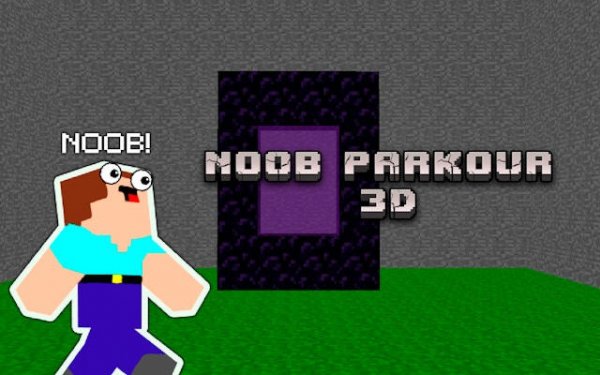
Core Movement & Timing
In this arcade-style runner, the character moves forward automatically. Players control when to jump over gaps, slide under low barriers, or dodge to the side to avoid obstacles. The challenge lies in reading the course ahead and reacting in a split second. A single miscalculation sends the character back to the start, so each run is a test of focus and rhythm. The controls are simple, but mastering the timing for each obstacle type takes practice.
Visual Style & World Design
The game uses a pixel-art aesthetic rendered in a 3D environment, giving it a retro-modern feel. Tracks are set in urban or abstract spaces with bright colors and clear visual cues. Each level introduces new obstacle arrangements, keeping the scenery fresh. The visual design helps players quickly identify what action is needed, as obstacles are color-coded or shaped to signal jumps versus slides. This clarity reduces confusion and keeps the action moving.
Progression & Replay Value
Levels are designed for short play sessions, making the game easy to pick up for a few minutes at a time. As players advance, courses become more complex, combining multiple obstacle types in quick succession. The scoring system rewards speed and clean runs, encouraging repeated attempts to beat personal bests. Some versions may include unlockable characters or visual themes, though the core experience focuses on improving time and consistency across each track.
Tips for Clean Runs
Success comes from learning the rhythm of each course. Instead of rushing, watch the obstacle patterns and find the natural beat for jumps and slides. Practice the first few sections of a level repeatedly until they feel automatic. Staying relaxed helps avoid panic taps that lead to mistakes. If a run fails, note where the error happened and adjust your timing. Over time, muscle memory builds, and clean runs become more frequent.
Comments
0 comments