
Core Concept: Growth and Protection
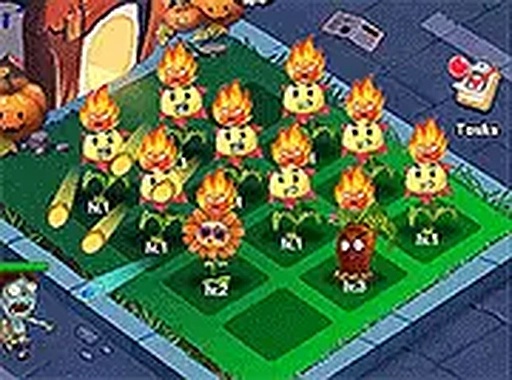
Flower Shield Strategy combines two simple ideas: tending a garden and keeping it safe. You start with a small plot of land and a few seeds. As you plant and water, your garden grows, but it also attracts creatures that want to eat your flowers. The challenge is to use your plants not just for beauty, but as tools to block or repel these visitors. This creates a gentle loop where every decision about what to grow affects how well you can protect your space later.
Resource Balancing Act
Managing your supplies is the heart of the experience. You collect sunlight and water from your garden, which you then spend on new plants or upgrades. Some plants produce more resources, while others are better at stopping pests. You must decide whether to invest in faster growth or stronger defenses. This trade-off keeps each session fresh, as you adjust your strategy based on what the garden needs at the moment.
Strategic Placement and Timing
Where you put each plant matters a great deal. Tall flowers can block paths, while low-growing ones might slow down creatures. Some plants work best in groups, while others need space. You also need to think about timing: planting too early might waste resources, but waiting too long could leave you exposed. The game rewards careful observation and planning, not fast reactions.
Visual Style and Atmosphere
The game uses bright, cheerful colors and simple shapes. Flowers bloom in pinks, yellows, and blues, and the garden feels alive with gentle animations. There are no scary images or loud sounds. Instead, the mood is calm and focused, making it suitable for players of all ages. The interface is clean, with clear icons and easy-to-read text, so you can concentrate on your strategy without distractions.
Progression and Variety
As you play, new types of plants become available, each with unique properties. Some might attract helpful insects, while others can create barriers that last longer. The pests also change, requiring different approaches. Early levels introduce basic concepts, while later stages combine multiple challenges. This gradual increase in complexity keeps the game engaging without becoming overwhelming.
Comments
0 comments