
Puzzle Room Mechanics
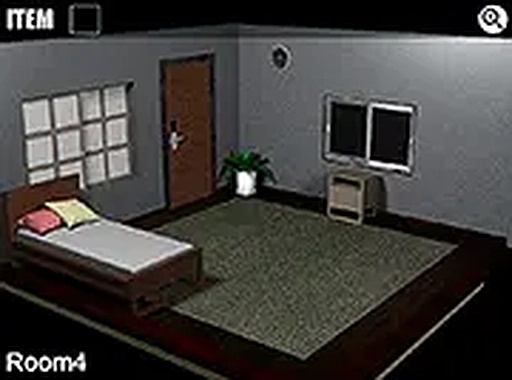
In Room Clue Quest 2, players begin each level inside a closed space filled with various objects and subtle hints. The primary objective is to examine the environment, identify relevant clues, and figure out how to unlock the exit. This core loop repeats across multiple rooms, each designed to feel distinct. The game avoids complex controls; simple mouse clicks or keyboard inputs allow players to interact with items. There are no timers or scoring systems, which encourages a relaxed pace. This design makes the game suitable for both quick sessions and longer periods of focused play.
Observation and Logic
Success in Room Clue Quest 2 depends on noticing small details and connecting them logically. A seemingly ordinary painting might hide a number, or a piece of furniture could have a hidden compartment. The game rewards players who take their time and consider every object’s possible use. Some puzzles require recognizing patterns or sequences, while others rely on simple deduction. Because there is no penalty for wrong actions, players can experiment freely. This trial-and-error approach is part of the learning process, helping players develop sharper observation skills over time.
Visual and Audio Atmosphere
The game uses a clean, minimalist art style that keeps each room uncluttered and easy to navigate. Colors are soft and muted, contributing to a calm, non-intrusive atmosphere. Background music, if present, is gentle and unobtrusive, designed to aid concentration rather than distract. Sound effects for interactions are subtle, providing feedback without being jarring. This thoughtful audio-visual design supports the game’s focus on thoughtful problem solving rather than fast reactions. Players who prefer silence can easily adjust or mute the audio.
Progression and Difficulty
Rooms in Room Clue Quest 2 are arranged in a linear sequence, with each new space offering a fresh challenge. Early rooms tend to be simpler, introducing basic puzzle concepts. Later rooms may combine multiple clue types or require more steps to solve. The difficulty curve feels natural, giving players time to build confidence. There is no need to replay previous rooms unless desired. This structure keeps the experience flowing smoothly, with each solved room providing a sense of accomplishment. The game is designed to be completable in one or two sittings, making it ideal for casual play.
Comments
0 comments