
Core Objective
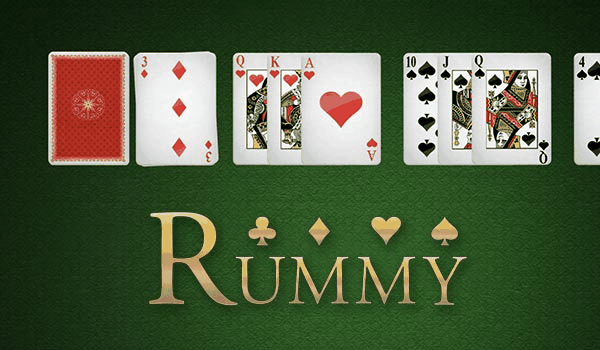
In Match & Melds, the primary goal is to organize all cards in your hand into two types of combinations: sets of three or four cards sharing the same rank but different suits, and sequences of three or more consecutive cards within the same suit. The first player to achieve this wins the round. This straightforward rule set has made the game a staple in households for decades, and the digital version preserves the same logical challenge.
Turn Structure
Each turn begins by drawing a single card from either the main deck or the discard pile. After selecting a card, you must discard one from your hand to keep the total count consistent. Play proceeds clockwise until someone melds all their cards. The tension builds as you watch which cards opponents pick up and set aside, offering clues about their strategy. Beginners can rely on optional hints that highlight potential combinations without revealing the full solution.
Playing Modes
Match & Melds provides three distinct ways to enjoy the game. Solo mode pits you against computer-controlled opponents with adjustable difficulty. Private rooms allow you to invite friends and family for a closed session. For those seeking a broader challenge, the matchmaking system pairs you with players from around the world. Each mode uses the same core rules, so you can switch between them without relearning anything.
Strategic Depth
Success in Match & Melds depends on careful observation and planning. Tracking which cards have been discarded helps you deduce what opponents might be holding. Prioritizing a pure sequence early in the game is a common tactic, as it forms a solid foundation for your hand. Holding onto high-value cards for too long carries risk, since they add penalty points if another player finishes first. The discard pile can also be used to mislead others about your intentions.
Learning Resources
New players can access a series of interactive tutorials that explain each rule step by step. A built-in hint system offers suggestions during play without taking control away from you. The interface uses clear icons and a clean layout, making it easy to sort your hand and spot potential melds. These features ensure that anyone can pick up the game quickly, regardless of prior card game experience.
Comments
0 comments